
Compare Local Contractors for Solar Installation Success
Compare local contractors to define project scope, verify experience, and establish clear expectations for a successful solar installation.
Solar installation contractors typically handle a range of tasks related to setting up solar energy systems on residential or commercial properties. This work often includes evaluating the property’s solar potential, designing a system that fits the specific site conditions, and installing panels, wiring, and inverters. Contractors may also assist with securing permits, ensuring that the system complies with local codes, and performing initial system testing to confirm proper operation. Understanding the scope of work involved can help property owners clarify what services are included and ensure that all necessary components are addressed during the project.
Defining the scope of a solar installation project is essential for establishing clear expectations and avoiding misunderstandings. A well-outlined scope specifies the exact services to be provided, including site assessment, system design, installation, and any post-installation support. It also details the responsibilities of the contractor and property owner, which can help prevent scope creep or surprises later in the process. Having a written scope ensures that both parties are aligned on project deliverables, making it easier to evaluate proposals and select a contractor who can meet the specific needs of the property.
When comparing local contractors for solar installation, property owners should consider their experience with similar projects, reputation within the community, and the range of services offered. Verifying the contractor’s track record can involve checking references or reviewing past work, ensuring they have relevant experience with the type of property in question. It’s also beneficial to review the scope of services each contractor provides and to ask for detailed proposals that outline the work to be performed. By focusing on these practical factors, property owners can make informed decisions and choose service providers capable of delivering the desired results.
Compare local contractors by outlining project priorities, verifying experience, and setting clear expectations in writing.
- Compare Contractor Qualifications - Review the experience and credentials of local contractors to ensure they meet project requirements.
- Define Project Scope Clearly - Communicate your specific installation needs and expectations in writing to avoid misunderstandings.
- Verify Past Work and References - Request examples of previous solar installations and contact references to assess contractor reliability.
- Set Expectations in Writing - Document all project details, including scope and responsibilities, to establish clear agreements with service providers.
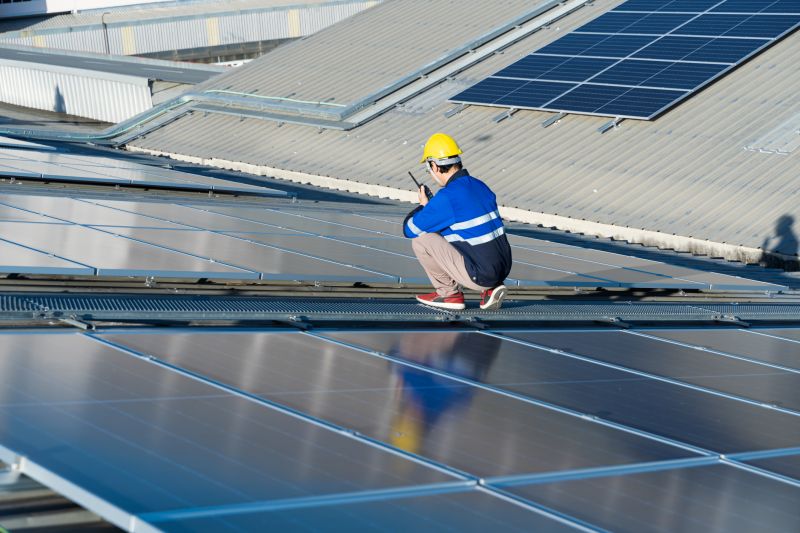
Clearly define your solar project scope to effectively compare local contractors, verify experience, and set expectations in writing.
- Verify experience and expertise in solar installation projects similar to the scope needed. - Ensure service providers clearly define the work scope and deliverables in written agreements.
- Compare credentials and reputation among local contractors to assess reliability and quality of work. - Review references or past project examples to evaluate the contractor’s track record.
- Check that the proposed installation plan complies with local codes and regulations. - Confirm that the service provider understands and adheres to all relevant standards.
- Assess the clarity of communication and responsiveness during the consultation process. - Make sure expectations and project details are discussed thoroughly and documented.
- Ensure the contractor provides detailed written proposals outlining the work scope and materials. - Look for comprehensive documentation to facilitate comparison and accountability.
- Evaluate the contractor’s approach to project management and coordination with other trades or services. - Confirm that the service provider has a clear plan for managing the installation process smoothly.
Use this to compare local contractors, clarify project scope, verify experience, and set clear expectations.

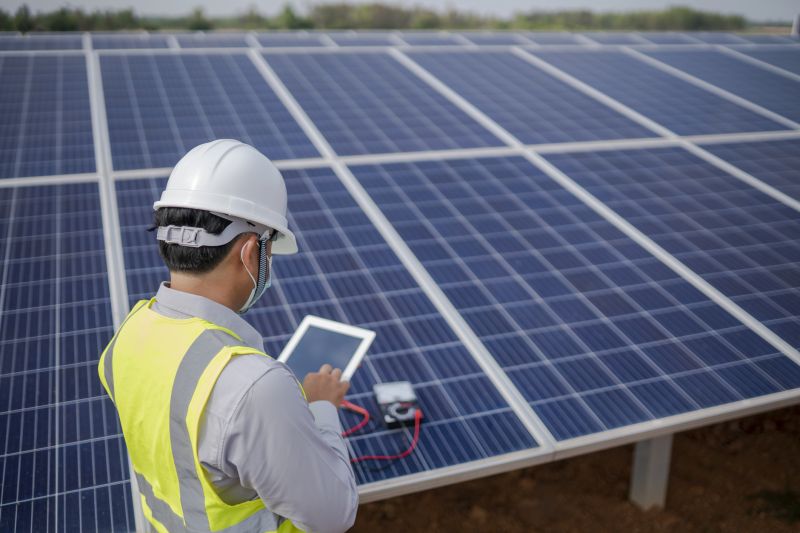
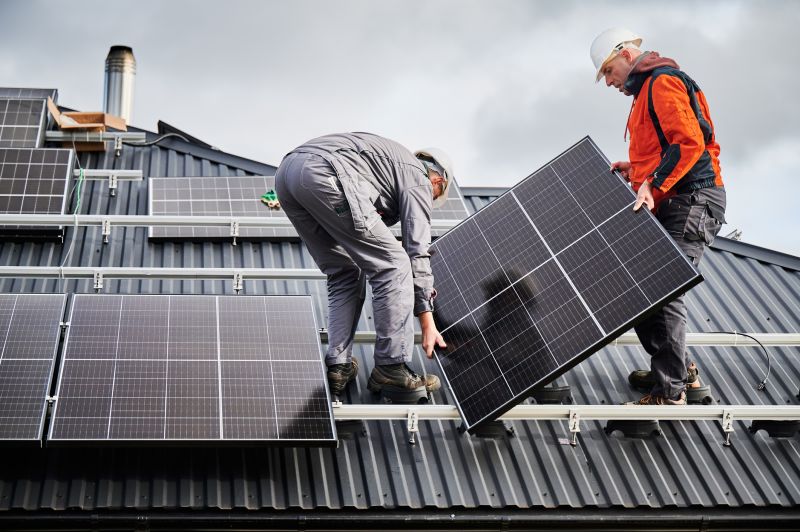

Use consistent comparison methods to evaluate scope, verify experience, and clearly define expectations among local contractors.
- Scope Definition - Clearly outline the specific tasks and responsibilities expected from the service provider for the solar installation project.
- Site Assessment - Determine the conditions of the installation location, including structural and electrical considerations, to inform the scope.
- Equipment Specifications - Specify the types and quantities of solar panels, inverters, and mounting systems required for the project.
- Work Responsibilities - Define which aspects of the installation, such as permitting, mounting, wiring, and commissioning, are included in the scope.
- Documentation and Expectations - Ensure all scope details are documented in writing to set clear expectations and facilitate comparison among local contractors.
When evaluating contractors for solar installation, it’s important to consider their experience with similar projects. Homeowners should inquire about the types of systems they have installed in the past and whether they have worked on properties similar in size and structure. A contractor with a proven track record in completing comparable installations can provide insights into potential challenges and solutions, helping to ensure the project aligns with expectations. Verifying the contractor’s familiarity with local building codes and regulations can also contribute to a smoother process and reduce the risk of unforeseen issues.
A clear, written scope of work is essential when comparing service providers. Homeowners should seek detailed descriptions of what the installation will include, such as the number of panels, mounting systems, electrical connections, and any additional components. A well-defined scope helps prevent misunderstandings and ensures that all parties have a shared understanding of the project’s extent. Service providers who can provide comprehensive documentation and answer questions about the scope demonstrate professionalism and transparency, making it easier to evaluate their approach objectively.
Verification of a contractor’s basic qualifications involves reviewing their ability to deliver the work as described. Homeowners can ask for references from previous clients or examples of completed projects similar to their own. Confirming that the contractor has the necessary experience and resources to handle the installation can help set realistic expectations. It’s also beneficial to verify that the service provider adheres to industry best practices and standards, which can be demonstrated through their project portfolio or professional affiliations, providing additional confidence in their capabilities.
When comparing contractors, it’s helpful to evaluate how they communicate and document their proposals. Clear, written estimates or proposals that outline the scope, materials, and responsibilities allow homeowners to compare options effectively. Asking service providers about their process for managing changes or unforeseen issues can also provide insight into their professionalism and reliability. By focusing on the quality and clarity of the documentation and the thoroughness of the proposed scope, homeowners can make more informed decisions without relying on price as the primary factor.
Request written scope and details from local contractors to ensure clear expectations and consistent project understanding.
- Experience and Credentials - What relevant experience and project history do local contractors have with solar installations?
- Scope of Work - How clearly do contractors define the scope of the installation project and included services?
- Comparison of Services - What specific services and equipment do different service providers offer for solar installation?
- Written Agreements - Are all project details, expectations, and responsibilities documented in a written contract?
- Customization and Flexibility - How do local contractors tailor their proposals to meet specific site conditions and customer needs?
How can I compare solar installation contractors effectively? It’s important to review their experience, verify references, and ensure their scope of work aligns with your project needs. Gathering multiple proposals can help you evaluate each contractor’s approach and professionalism.
What should I consider when defining the scope of a solar installation project? Clearly outline the desired system size, location, and any specific features or requirements. Communicating these details ensures contractors understand your expectations and can provide accurate assessments.
How can I verify a contractor’s experience with solar installations? Ask for details about their past projects, including types of systems installed and the complexity of previous work. Request references or examples of completed installations to gauge their expertise.
Why is it important to get work details in writing? Having a written agreement that specifies project scope, responsibilities, and expectations helps prevent misunderstandings and provides a clear basis for project completion and accountability.
What questions should I ask a contractor before hiring for a solar installation? Inquire about their experience, the process they follow, the materials they use, and how they handle permits or inspections. These questions help assess their professionalism and preparedness.
How can I ensure a contractor understands my project goals? Provide detailed descriptions of your expectations and ask how they plan to approach your specific needs. Clear communication helps ensure the contractor’s plan aligns with your objectives.
By exploring the information provided, visitors can gain a clearer understanding of how to identify reputable contractors for solar installation. Learning to define the scope of work, verify experience, and set clear expectations in writing helps ensure a smooth process when choosing service providers. Comparing local contractors with these considerations in mind can lead to more informed decisions tailored to specific project needs.
Using the quote form allows visitors to easily connect with qualified local contractors who can handle solar installation jobs. It offers a straightforward way to gather information and compare options, empowering individuals to find service providers that match their project requirements. Taking this step can help facilitate the next phase of planning with confidence.